Salt vs Chlorine Pools in Florida: Which Is Better on the Coast?
Salt systems make chlorine on site instead of you carrying it home. That changes the routine, not the chemistry — and near the ocean it changes the maintenance math too.
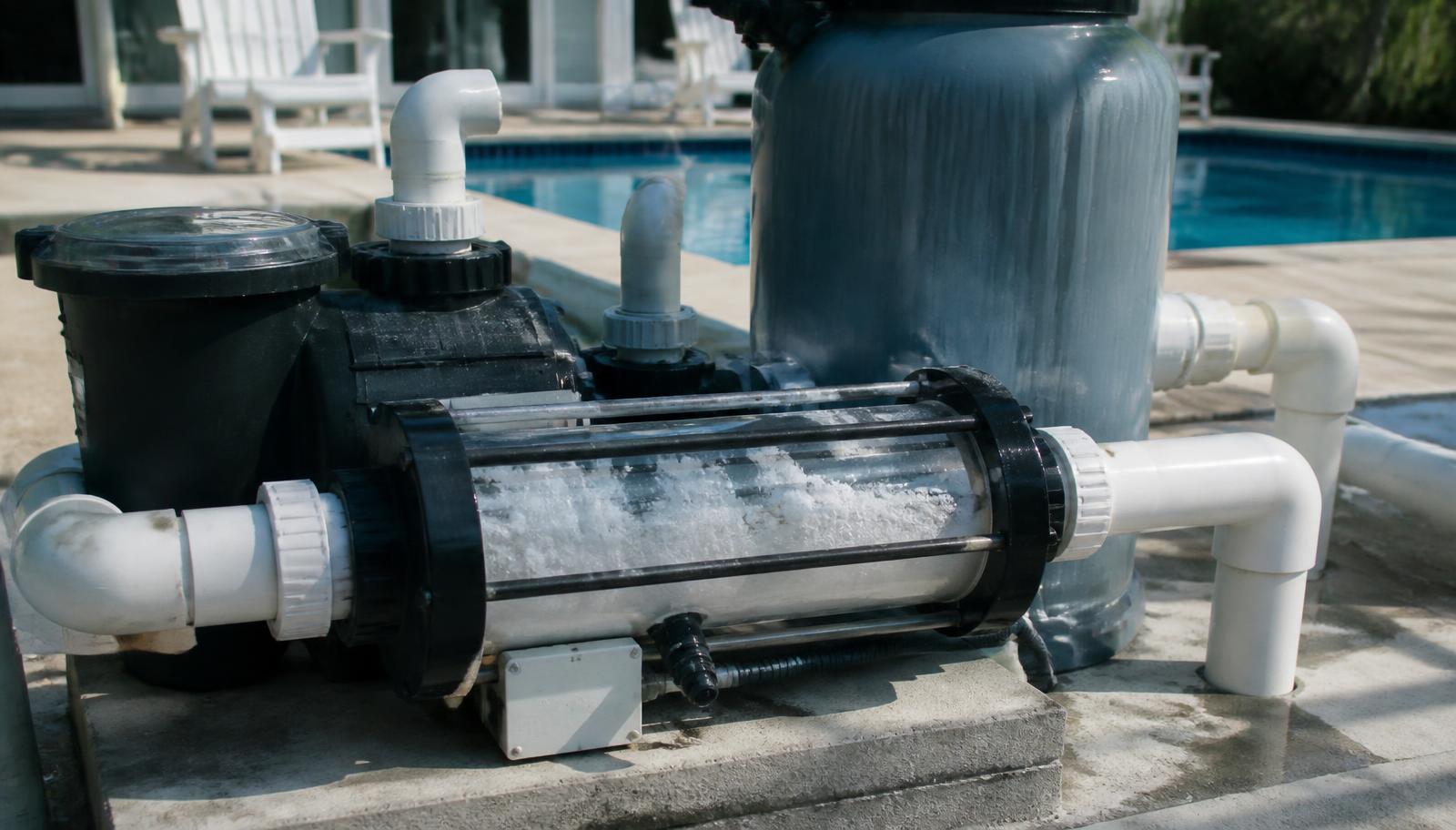
A saltwater pool is still a chlorine pool. A salt chlorine generator passes low-salinity water across a cell and converts dissolved salt into chlorine on site, so you stop hauling jugs and tabs. The sanitizer is the same; the delivery method is what changes. On the Space Coast, that distinction matters more than most brochures admit.
What owners actually notice about salt water
- Softer-feeling water and less of the sharp chemical smell people associate with chlorine
- No storing or handling liquid chlorine and tabs at home
- Steadier day-to-day sanitizer level, because the system produces continuously
- Gentler on swimsuits and eyes at properly balanced levels
Those are real benefits. What salt does not do is remove the need for weekly service — pH still climbs as the cell runs, stabilizer still matters, and the water still needs brushing and vacuuming. Our salt chlorine systems service exists for exactly that reason.
Salt vs chlorine: the honest comparison
| Factor | Salt system | Traditional chlorine |
|---|---|---|
| Upfront cost | Higher — generator and cell to install | Lower — no added equipment |
| Ongoing routine | Add salt occasionally, adjust output | Add chlorine regularly, store product |
| Water feel | Softer, milder odor | Sharper feel and smell at higher levels |
| Wear points | Cell scaling; cells are consumable | No cell, but constant product handling |
| pH behavior | Trends upward as the cell runs | Depends on product used |
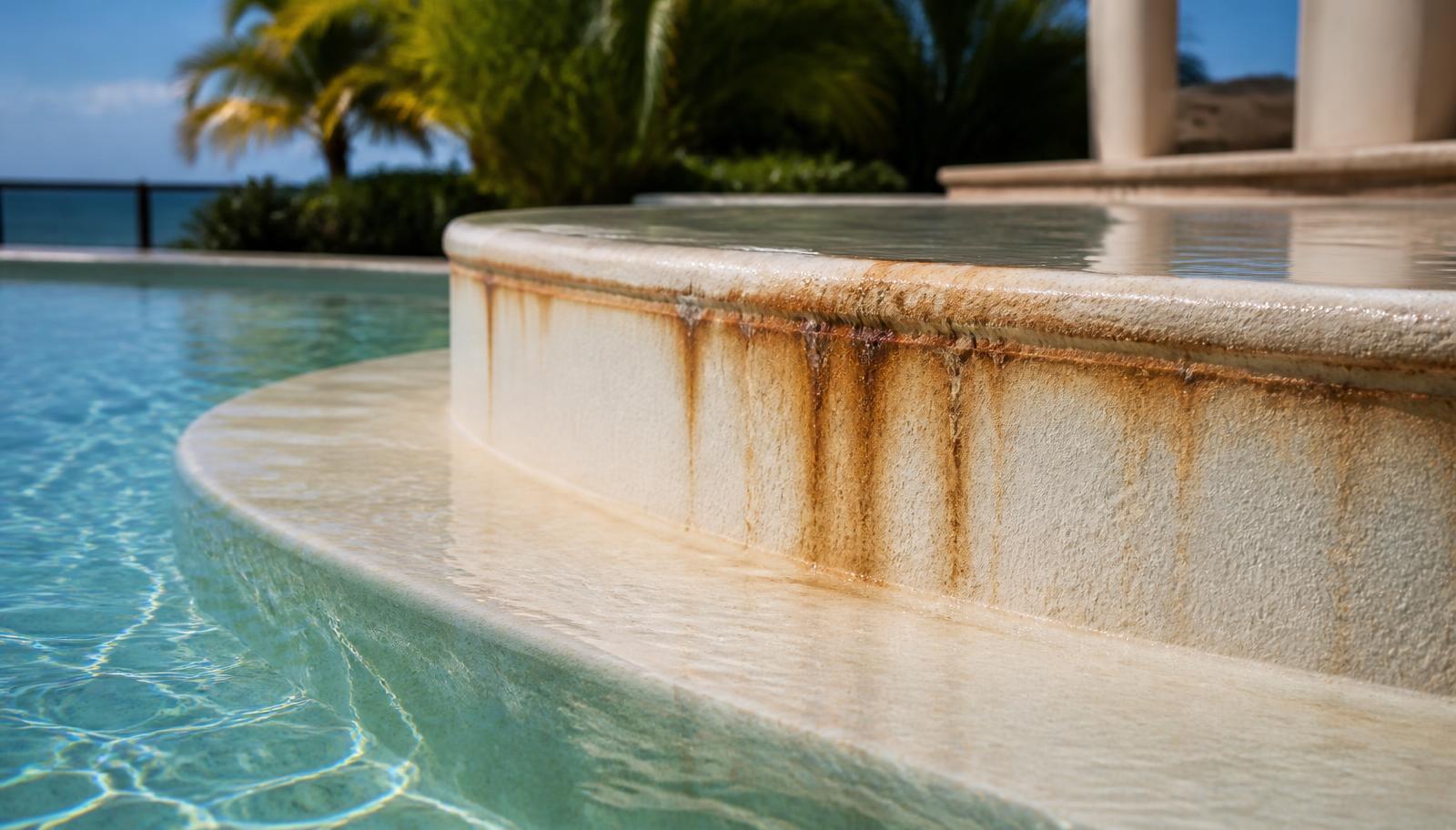
| Coastal corrosion | Salt-laden air plus salt water on the pad | Somewhat lower risk on the pad |
Does salt water corrode equipment near the ocean?
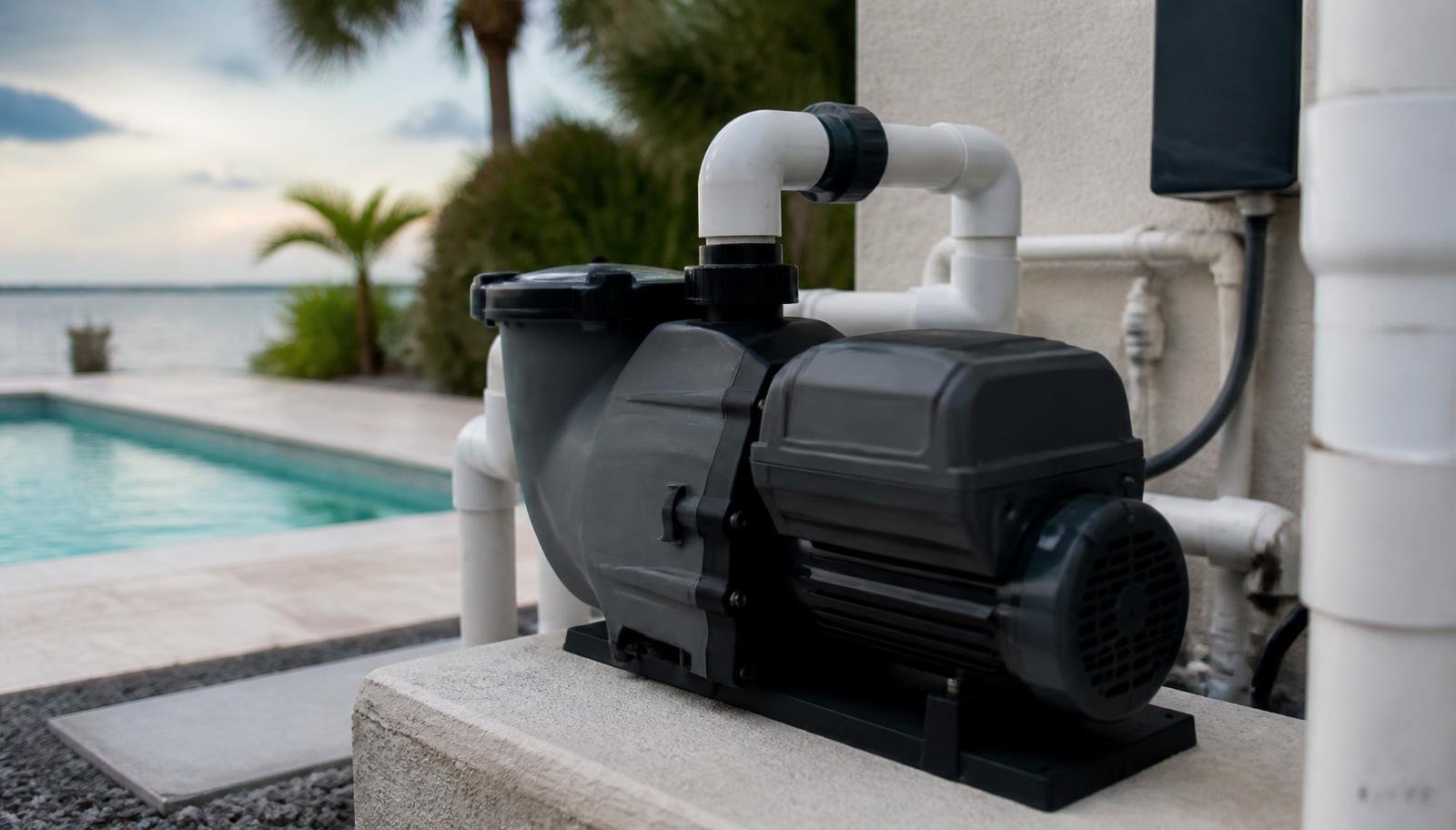
Beachside properties in Satellite Beach, Indian Harbour Beach, Indialantic and Cocoa Beach already sit in salt-laden air. Adding a salt pool means the deck, rails, fasteners, heater components and the equipment pad see salt from two directions. It does not rule out a salt system, but it does mean rinsing hardware, keeping chemistry balanced and inspecting metal parts should be part of the routine. Anything on the pad that starts showing corrosion should be looked at during equipment installation or repair rather than left to fail.
How long does a salt cell last?
Cells are consumable parts — they wear out and get replaced. Life depends mostly on run hours, water balance and how much scale builds on the plates. High calcium hardness and high pH shorten cell life faster than anything else, which is another argument for consistent weekly chemistry rather than seasonal correction.
Salt does not reduce maintenance. It relocates it — from a chlorine jug to a cell, a controller and the pH that follows them.
Should you convert an existing pool to salt?
Conversion makes sense if you dislike handling chlorine, you swim often enough to appreciate the water feel, and your equipment and surfaces are in good condition. It makes less sense if your pump or filter is near end of life, or if the pool has ongoing chemistry problems — fix those first, because a salt cell will not correct a circulation or filtration issue.
- 01Verify the pump, filter and plumbing are sound and sized correctly
- 02Bring the water into balance before the system is commissioned
- 03Install the generator and cell on the return line with the controller accessible
- 04Add salt to the target range and dial in output against real chlorine demand
- 05Recheck output after the first few weeks, then keep it on weekly service
If your pump is what is really failing, that is a separate job — see pool pump and motor repair before spending on a generator.
Which is better for a Brevard County backyard?
Both work. Salt is generally the better experience for owners who swim frequently and want to stop handling chemicals; traditional chlorine is the lower upfront cost and the simpler equipment pad, which some coastal owners prefer. Either way the pool needs weekly attention. Pearlin Pools services both across Satellite Beach and the surrounding 15-mile radius — tell us what you have and we will give you a straight recommendation.
Salt vs Chlorine Pools in Florida FAQs
Is a saltwater pool chlorine free?
+
No. A salt chlorine generator produces chlorine from dissolved salt. The water is sanitized with chlorine either way; salt just changes how it is delivered.
Do saltwater pools need less maintenance in Florida?
+
They need less chemical handling, not less maintenance. Weekly brushing, vacuuming, pH control and cell inspection are still required.
Is salt water bad for pool equipment near the ocean?
+
Coastal properties already face salt air, so a salt pool adds exposure for rails, fasteners and equipment. Regular rinsing, balanced water and routine inspection manage it.
How much salt does a pool need?
+
Salinity is kept in the range specified by the generator manufacturer and topped up as rain and splash-out dilute it. It is checked as part of weekly service.