Pool Inspections Before Buying a Brevard County Home
A general home inspection barely glances at the pool. Here is what a dedicated inspection looks at, and the findings that change a negotiation.
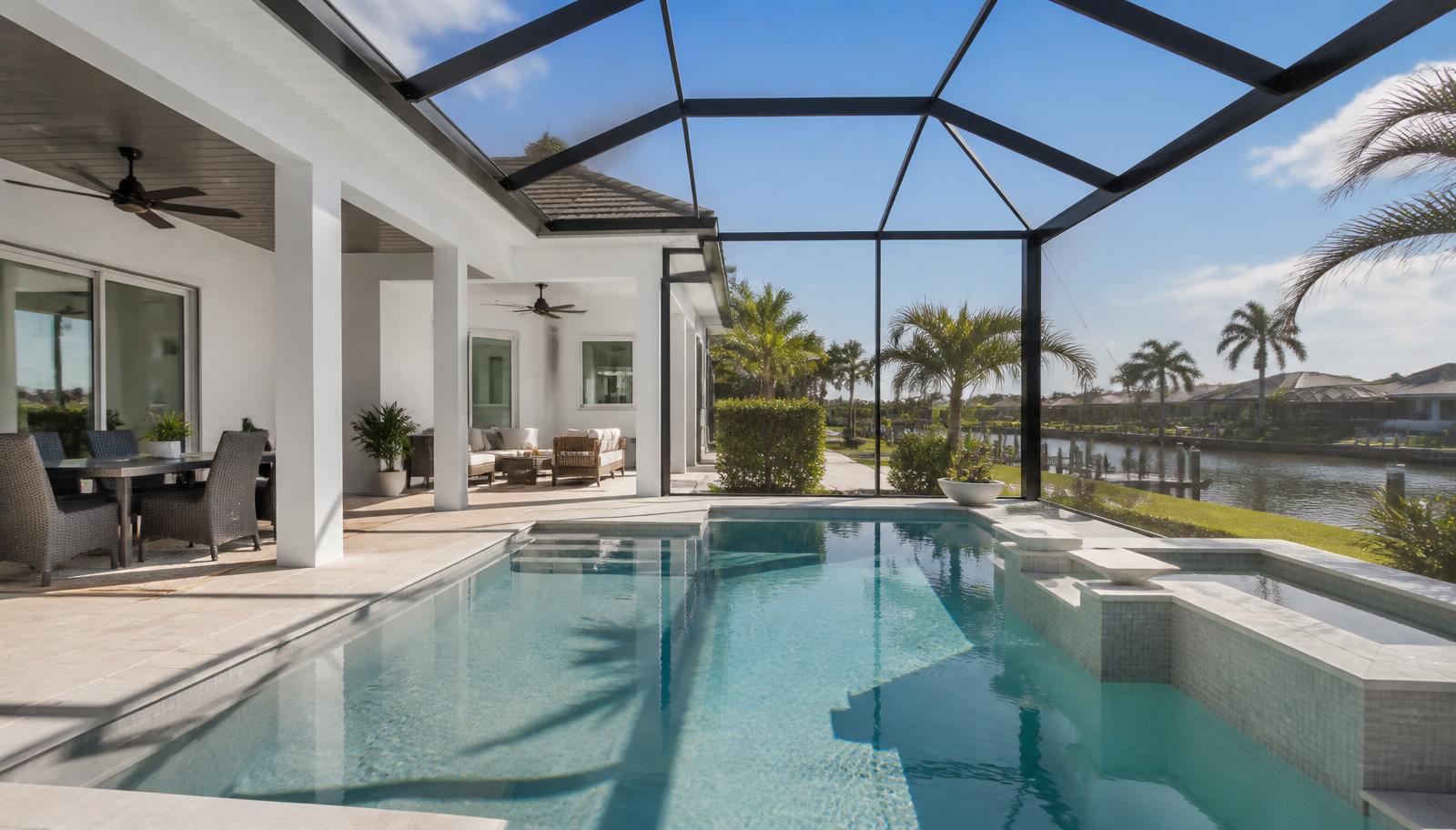
A pool inspection before buying a home is a separate, dedicated evaluation of the shell, surface, equipment, plumbing and safety features — and it is not what a general home inspector provides. Most home inspection reports note that a pool exists and that the pump ran. In Satellite Beach and across Brevard County, where pools are exposed to salt air and run twelve months a year, that is not enough information to buy on.
What does a pool inspection cover?
- Shell and surface: cracks, hollow spots, delamination, plaster wear, tile and coping condition
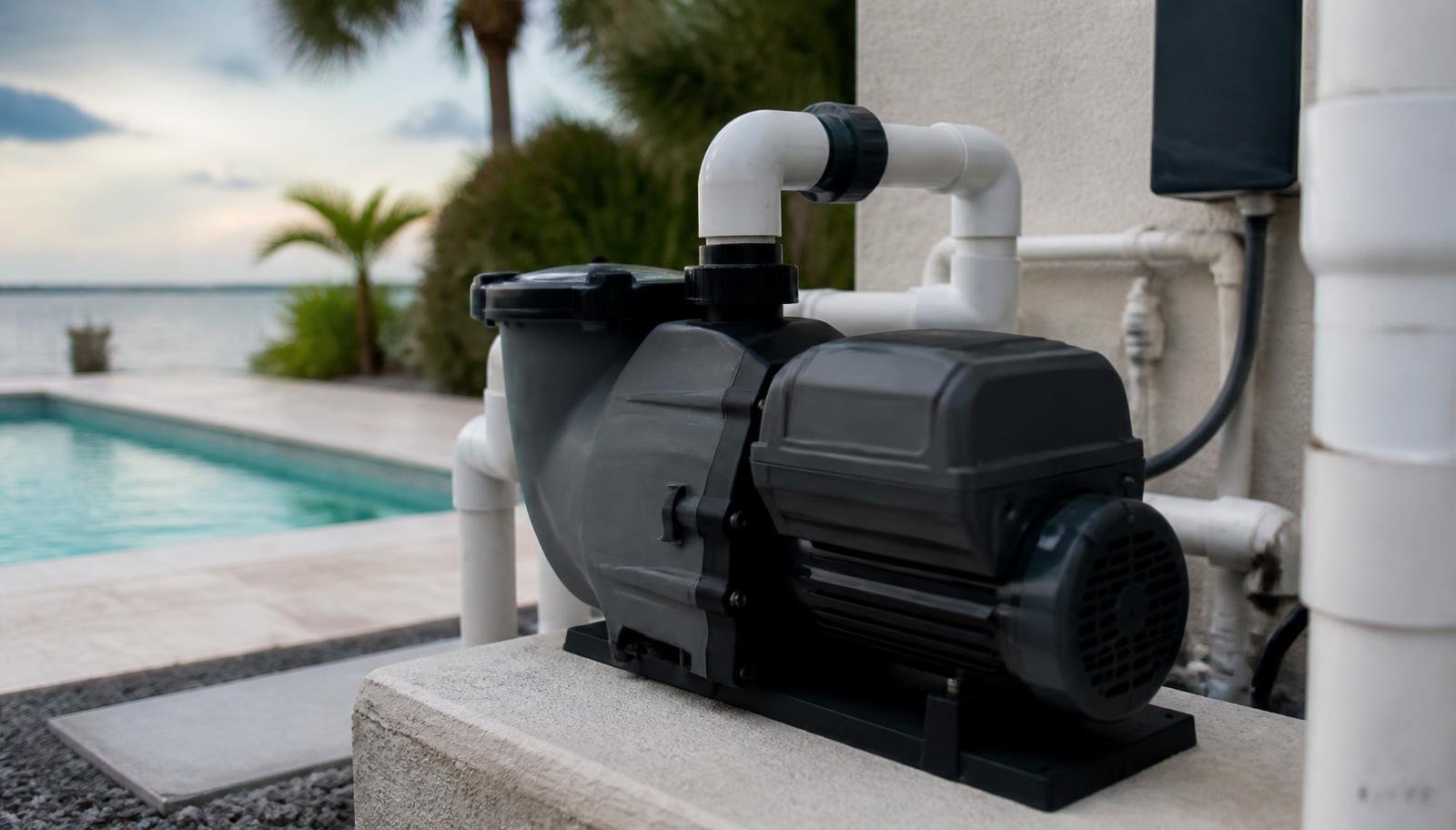
- Equipment: pump, filter, salt cell or chlorinator, automation, timers, electrical condition
- Plumbing and circulation: flow, suction, returns, valves, visible leaks and pressure behavior
- Water chemistry as a snapshot of how the pool has been maintained
- Safety: barriers, gates and latches, drain covers, handrails and ladder anchors
- Deck and screen enclosure condition, drainage and settling
Why is a general home inspection not enough?
Home inspectors are generalists, and most explicitly exclude pool systems or limit themselves to a visual glance. The costly items on a pool — a hairline structural crack, a slow underground leak, a salt cell at the end of its life, an equipment pad wired badly — are not visible in a walk-past.
What findings actually matter?
| Finding | Severity | Typical implication |
|---|---|---|
| Structural crack in the shell | High | Engineering evaluation before closing |
| Evidence of a slow leak | High | Locate the source before agreeing to terms |
| Pump or motor at end of life | Moderate | Budget a replacement in the near term |
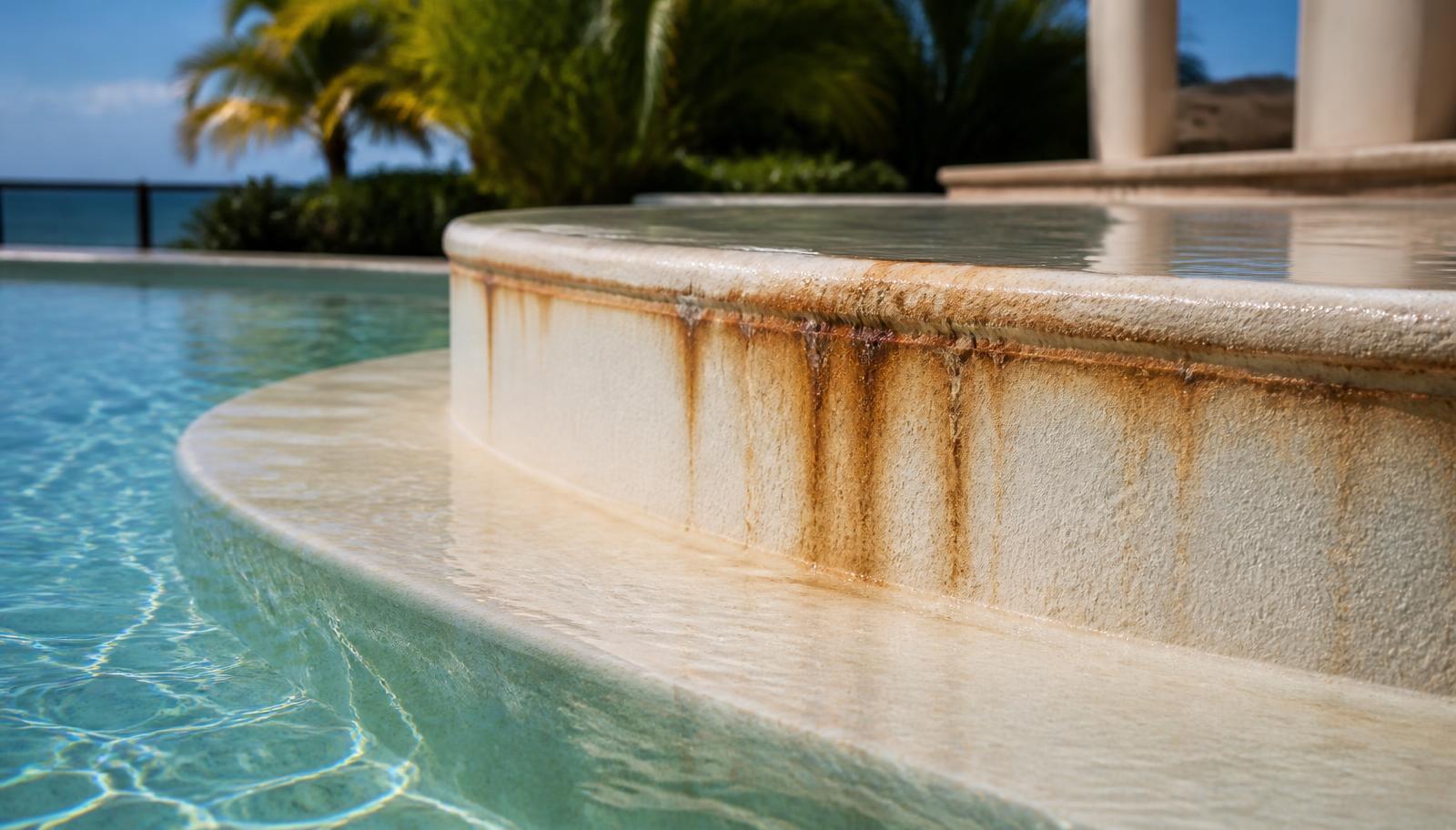
| Heavy scale and worn plaster | Moderate | Surface work or a drain and acid wash |
| Missing or broken safety barrier | High | Correct before the property is occupied |
| Chemistry badly out of range | Low on its own | Signals long-term neglect; look closer |
How do you spot a neglected pool during a showing?
Look at the waterline for scale, the plaster for staining and roughness, the equipment pad for corrosion and improvised repairs, and the deck for settling. Then look at the water: a pool that has been consistently maintained is clear even when the house is empty, because the seller kept the service on.
The chemistry on inspection day tells you about the last week. The surface and the equipment pad tell you about the last ten years.
What if the inspection finds a leak?
A suspected leak should be located before the deal closes, not after, because the difference between a fitting and a broken main line is enormous. Pool leak detection finds the source without demolition; the signs a buyer can spot are covered in how to tell if your pool is leaking.
What about the equipment?
Ask how old each component is and whether it is original. A pump with bearing noise, a filter that will not hold pressure, or a salt cell producing at half output all become the new owner's problem within the first season. Replacements are straightforward work — see pool equipment installation — but they belong in the negotiation rather than the surprise column.
Booking one
Schedule the pool inspection during your inspection period, alongside the general home inspection, and make sure the pool has been running normally beforehand — a pool freshly serviced the morning of the visit hides more than it shows. Pool inspections cover the full list above with a written report you can hand to your agent. Contact us with the address and your inspection deadline.
Pool Inspections Before Buying a Brevard County Home FAQs
Do I need a separate pool inspection when buying a house?
+
Yes. Most general home inspections exclude or barely cover pool systems, and the expensive problems are the ones a visual glance misses.
What does a pool inspection include?
+
The shell and surface, equipment, plumbing and circulation, water chemistry, safety barriers and drain covers, and the deck and enclosure.
How long does a pool inspection take?
+
Typically a couple of hours on site, with the equipment running, followed by a written report during the inspection period.
What is the most serious pool inspection finding?
+
Structural cracking or an underground leak. Both can be substantial to repair and should be resolved before closing rather than after.